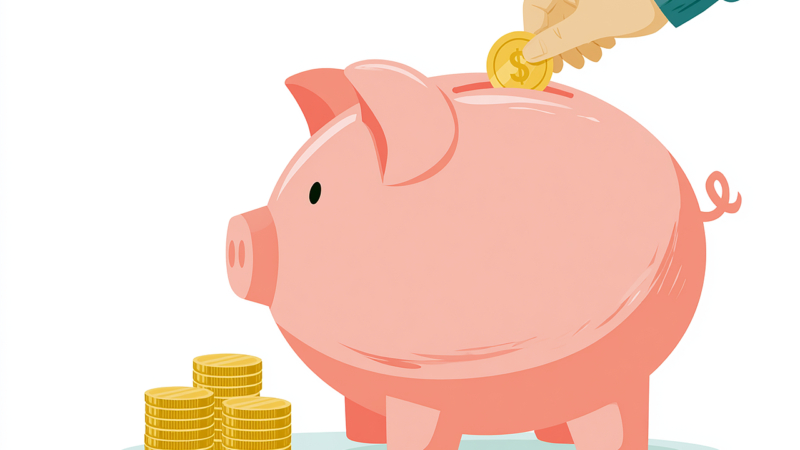
Define Your Target Amount Early
Starting with a realistic savings goal sets the tone for the whole journey. Calculate the total price you’ll need—not just the sticker price, but also insurance, fuel, and maintenance. Break the total down into a monthly target, and write it somewhere you’ll see it often. When the figure is clear, every small saving feels like progress toward a bigger promise.
Track Every Dollar You Spend
Knowing where money goes is the first step toward stopping unnecessary leaks. Use a budgeting app or a simple spreadsheet to log each expense for a full month. Highlight discretionary items like coffee runs, streaming services, or impulse buys. Seeing the numbers on paper makes it easier to decide which habits to keep and which to drop. In addition, review recurring charges—subscriptions often accumulate without us realizing.
Trim Non‑Essential Costs
Once you have a spending snapshot, identify areas where cuts are possible. Cooking at home instead of ordering delivery can save hundreds each month. Cancel unused gym memberships and replace them with free workouts. Public transit or carpooling may reduce gas money while also benefiting the environment. Moreover, buying generic brands at the grocery store often delivers the same quality at a lower price. Each reduction, no matter how small, adds up over time.
Set Up Automated Transfers
Automation removes the temptation to skip a savings deposit. Arrange for a portion of each paycheck to move directly into a separate savings account the day after payday. Because the money never touches your checking balance, you’re less likely to spend it unintentionally. If your employer offers multiple paychecks per month, split the transfer accordingly to keep the habit consistent.
Explore Additional Income Streams
A side gig can accelerate your timeline dramatically. Freelance writing, tutoring, or selling handmade crafts on online marketplaces generate extra cash that can go straight into your car fund. Schedule a few hours each week for these activities, treating them as non‑negotiable appointments. The extra income should be deposited automatically, just like your primary savings.
Review and Adjust Monthly
Regularly revisiting your budget ensures you stay on track and adapt to life changes. At the end of each month, compare actual spending against your plan. If you overspent in one category, find a corresponding reduction elsewhere. Conversely, if you saved more than expected, consider increasing your monthly target or allocating the surplus to a high‑interest savings account for faster growth.
Stay Motivated with Visual Milestones
Seeing progress fuels continued effort. Create a visual board—digital or physical—where you can place stickers or checkmarks as you hit each savings milestone. Celebrate small wins, like reaching 25 % of your goal, with a modest treat that doesn’t derail your plan. When motivation wanes, recall the specific reasons you’re saving, whether it’s greater independence, cheaper transportation, or the freedom to explore new places.
| 1. Write down the exact amount needed, including insurance and maintenance. |
| 2. Log every expense for a month to uncover hidden spending. |
| 3. Cut unused subscriptions, cook at home, and choose generic brands. |
| 4. Set up an automatic transfer to a dedicated savings account. |
| 5. Start a side business or freelance work to boost income. |
| 6. Compare your monthly budget against actual spending each month. |
| 7. Display progress on a visual board and reward milestones. |
Consistency beats intensity when building savings; a small, steady effort leads to lasting results.
By following these steps, you’ll develop a clear roadmap, tighten your spending, and accelerate your ability to purchase that first car. Remember, the journey is as important as the destination—each disciplined choice brings you closer to the freedom and confidence that come with car ownership.